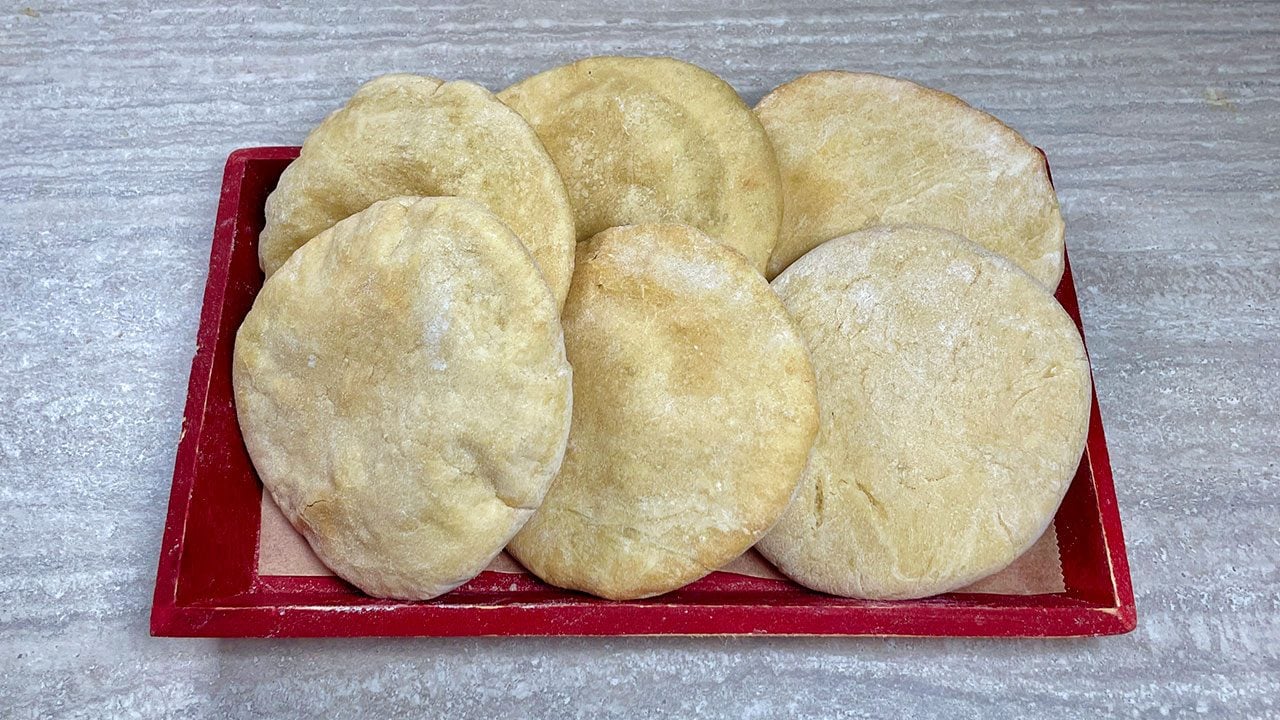
Unlock the Secret to Homemade Perfection: Your Easy Middle Eastern Bread Dough Guide
Imagine the irresistible aroma of freshly baked bread wafting through your kitchen – soft, puffy, and versatile enough for an endless array of savory and sweet delights. For many, the thought of making bread from scratch, especially a yeast-based dough, can feel daunting. But what if we told you that the secret to a truly authentic, incredibly delicious **easy Middle Eastern bread dough** lies in just four simple ingredients and a straightforward process? Get ready to transform your kitchen into a bustling Middle Eastern bakery with this essential guide to a truly multi-purpose dough.
This isn't just any dough; it's the foundation for countless beloved dishes across the Middle East, from the iconic za'atar manakish to savory spinach fatayer and even delightful homemade pizzas. Forget complicated recipes and long lists of obscure ingredients. We're breaking down how to create a remarkably soft and puffy dough that will quickly become your go-to for quick weeknight dinners, impressive weekend brunches, and everything in between.
Why This Easy Middle Eastern Bread Dough Will Be Your New Kitchen Staple
The beauty of this particular Arabic bread dough lies in its unparalleled versatility and forgiving nature. When we first discovered this recipe, originally in pursuit of the perfect homemade manakish – those delightful Middle Eastern flatbread "pizzas" – we had no idea it would evolve into such an indispensable component of our culinary repertoire. This isn't just a recipe; it's a gateway to recreating cherished flavors and creating new family favorites.
Whether you're dreaming of a bubbling cheese manakish, a robust sfiha meat pie, a flaky fatayer spinach pie, or even a simple yet profound homemade pizza crust, this **easy Middle Eastern bread dough** delivers every time. It joins the ranks of other cherished flatbread recipes, offering a perfect balance of chewiness and lightness. For those who grew up with the comforting scent of a Middle Eastern bakery, this recipe offers a direct route back to those nostalgic moments, proving that recreating these authentic flavors at home is far simpler than you might imagine. The minimal ingredient list makes it incredibly accessible, and the process, though involving yeast, is designed for success even for novice bakers.
The Magical Four: Unpacking Your Easy Middle Eastern Bread Dough Ingredients
The core of this incredible dough lies in just four primary ingredients, which, when combined with warm water and a pinch of salt (the honorary fifth, always essential for flavor), create magic. Understanding each component is key to achieving that perfect soft, puffy texture.
- Flour: The backbone of any bread, flour provides structure. We recommend starting with plain all-purpose flour for its consistent results and ease of use. However, don't hesitate to experiment!
- For an extra chew and more pronounced fluffiness in your Middle Eastern bread, consider using bread flour, which has a higher protein content.
- If you're looking to add a nutritional boost and a denser, heartier texture, you can try incorporating whole wheat flour. For best results without sacrificing too much tenderness, we suggest using a half whole wheat, half all-purpose blend.
- Tip: Always sift your flour before mixing. This aerates it, removes any lumps, and contributes to a lighter, softer dough.
- Yeast: The leavening agent that gives bread its rise and distinctive airy texture. We typically use active dry yeast.
- Active Dry Yeast: Requires activation in warm water and sugar before being added to dry ingredients.
- Instant Yeast: Can often be mixed directly with the dry ingredients, though a quick activation step doesn't hurt. Always check your yeast's expiration date; old yeast is a common culprit for doughs that don't rise.
- Sugar: More than just a sweetener, sugar plays a crucial role in activating the yeast, providing it with food to kickstart the fermentation process. It also very subtly enhances the overall flavor profile of your manakish dough without making it sweet.
- Yogurt: This is where the unique softness and slight tang of this particular dough truly shine. We use plain, unsweetened yogurt.
- Yogurt adds moisture, richness, and acidity, which helps tenderize the dough and contributes to a fantastic, soft crumb.
- For plant-based diets, a plain, unsweetened plant-based yogurt can be a fantastic substitute.
- Alternatively, a neutral oil like olive oil can be used, which will result in a slightly different, perhaps less 'puffy' but still delicious and tender dough, imparting its own subtle flavor notes.
- Warm Water: Crucial for activating the yeast. The water should be lukewarm – ideally between 105-115°F (40-46°C). Water that's too hot will kill the yeast, preventing your dough from rising, while water that's too cold won't activate it effectively.
Mastering the Method: Step-by-Step for Your Puffy Dough
Creating this **easy Middle Eastern bread dough** is a wonderfully tactile and rewarding experience. Follow these steps to ensure a perfectly soft, elastic, and ready-to-use dough.
- Activate the Yeast: In a small bowl, combine your warm water, sugar, and yeast. Give it a gentle stir, then let it sit undisturbed for 5-10 minutes. During this time, the yeast should "bloom" – it will become frothy and bubbly on the surface, indicating it's active and ready to work its magic. This step is critical for a successful rise!
- Combine Dry Ingredients: While your yeast is activating, in a large mixing bowl, whisk together your sifted flour and salt. Sifting again ensures a lighter texture.
- Mix & Knead into Perfection: Once the yeast mixture is bubbly, pour it into the bowl with the flour and salt. Add the yogurt (or oil substitute). Using a sturdy spoon or spatula, mix until a rough, shaggy dough forms.
- Kneading: Turn the dough out onto a lightly floured surface and knead for about 8-10 minutes by hand. The goal is to develop the gluten, making the dough smooth, elastic, and pliable. A properly kneaded dough will bounce back when gently poked with a finger. If it feels too sticky, add a tablespoon of flour at a time until it's manageable but still soft. If it's too dry or crumbly, add a teaspoon of water until it comes together.
- Pro Tip: A stand mixer fitted with a dough hook can cut kneading time down to 5-7 minutes and yield incredibly consistent results. For those seeking even quicker preparation for their dough, explore options like the Minute Multi-Use Middle Eastern Dough for Quick Bakes, which offers an express route to bread bases.
- The First Rise (Proofing): Lightly grease a clean bowl with a touch of oil. Place your kneaded dough inside, turning it once to coat, then cover the bowl tightly with plastic wrap or a clean kitchen towel. Find a warm spot in your kitchen (e.g., a turned-off oven with just the light on, or a microwave with a cup of hot water inside). Let the dough rise for 1 to 1.5 hours, or until it has visibly doubled in size. This crucial resting period allows the yeast to work, creating that signature puffy texture.
Once your dough has completed its first rise, it’s ready to be punched down, divided, and shaped into whatever delicious creation you envision!
Creative Uses and Essential Tips for Your Versatile Dough
This **easy Middle Eastern bread dough** is truly a culinary canvas. While it's perfect for traditional Arabic bakes, its adaptability knows no bounds:
*
Manakish: Top with za'atar mixed with olive oil, a blend of cheeses, or a savory meat topping (sfiha style).
*
Fatayer: Fill with seasoned spinach and onions, cheese, or ground meat for delightful savory pastries.
*
Pizzas & Calzones: Forget store-bought crusts! This dough makes an excellent, flavorful base for any pizza or calzone recipe.
*
Stuffed Breads: Get creative with fillings like feta and herbs, spiced potatoes, or even sweet spreads for pinwheels.
*
Flatbreads: Simply roll it thin, bake, and serve with dips like hummus or baba ghanoush.
Dough Storage Tips:
If you have leftover dough or want to prepare ahead, this dough freezes beautifully. Once it's completed its first rise, punch it down, divide it into portions, wrap tightly in plastic wrap, and then place in a freezer-safe bag for up to 2-3 months. Thaw overnight in the refrigerator before using, allowing it to come to room temperature and perhaps a short second rise if needed.
For even more inspiration and detailed recipes that utilize this fantastic base, be sure to check out our comprehensive guide on
Easy 4-Ingredient Arabic Dough: Perfect for Pizza, Manakish & More.
Bake Your Way to Deliciousness
Mastering this simple 4-ingredient **easy Middle Eastern bread dough** opens up a world of culinary possibilities right in your own kitchen. From the comforting nostalgia of a freshly baked za’atar manakish to the exciting potential of homemade pizzas and savory pastries, this versatile recipe empowers you to create incredibly soft, puffy, and flavorful bread with ease. Don't let the thought of working with yeast intimidate you; the process is straightforward, and the results are immensely rewarding. So, grab your four ingredients, embrace the simple steps, and prepare to delight your senses with the incredible taste of homemade Middle Eastern bread!