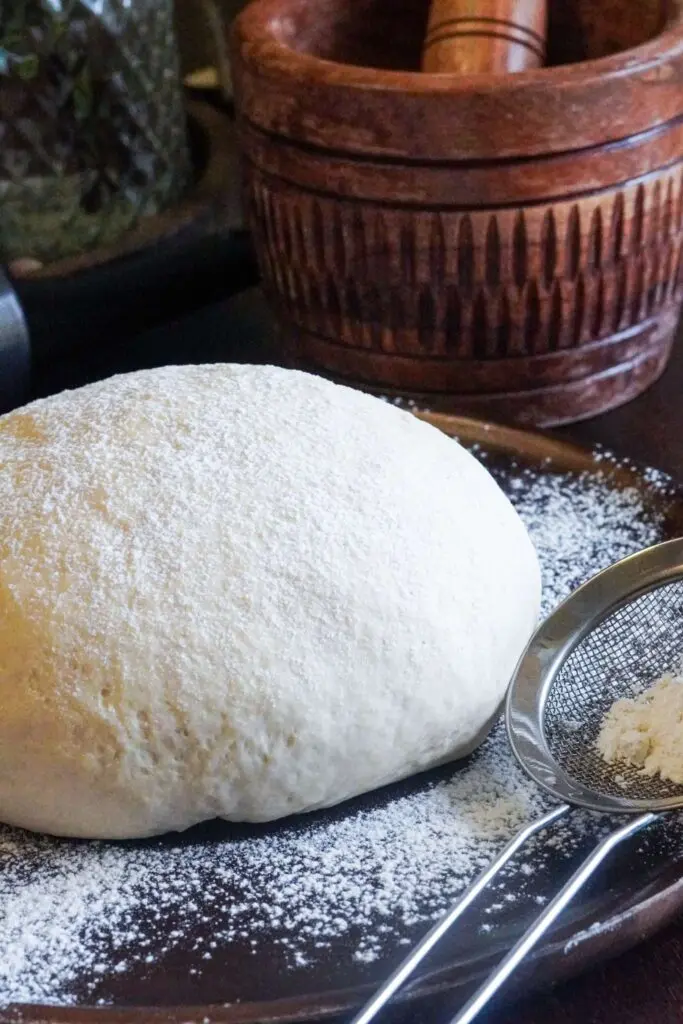
Minute Multi-Use Middle Eastern Dough for Quick Bakes: Your New Kitchen Staple
Imagine the warm, inviting aroma of freshly baked bread wafting through your home, conjuring childhood memories of bustling bakeries and shared family meals. Now imagine achieving that same feeling with a dough so simple, so quick, and so incredibly versatile that it will revolutionize your kitchen. This isn't just any dough; it's the ultimate **easy Middle Eastern bread dough**, a multi-purpose wonder that transforms everyday ingredients into a canvas for a myriad of delicious, quick bakes. Forget spending hours waiting for an elaborate rise; this recipe is designed for the modern home cook who craves authentic flavors without the time commitment.
When you first discover this Middle Eastern gem, you might be looking for something specific – perhaps a simple homemade manakish recipe, the beloved flatbread "pizza" of the Levant. What you'll soon realize, however, is that this humble dough quickly becomes one of the most indispensable tools in your culinary arsenal. From savory pies to sweet treats, its adaptability is unmatched, making it a true game-changer for anyone wanting to explore the rich tapestry of Middle Eastern cuisine with minimal fuss.
The Secret to Effortless Middle Eastern Bakes: Simplicity and Speed
What truly sets this **easy Middle Eastern bread dough** apart is its remarkable simplicity and efficiency. Unlike many traditional bread recipes that demand multiple proofs and lengthy waiting periods, this dough allows you to enjoy homemade baked goods in a fraction of the time. The magic lies in its streamlined approach, requiring just a handful of staple ingredients and a straightforward process.
At its core, this dough is built upon a foundation of only four primary ingredients, plus warm water and a pinch of salt. This minimalist approach not only makes it incredibly accessible, even for novice bakers, but also ensures a consistent, soft, and puffy result every time. The quick activation of the yeast, combined with efficient kneading, means you're just minutes away from a pliable, ready-to-use dough that’s perfect for immediate baking. This speed is what makes it a "minute multi-use" dough – ideal for those spontaneous cravings or last-minute meal preparations.
Beyond Manakish: A World of Culinary Possibilities
While initially sought after for its ability to create perfect manakish, the versatility of this **easy Middle Eastern bread dough** extends far beyond that single dish. Its adaptable texture and subtle flavor profile make it suitable for a vast array of sweet and savory creations. Think of it as your all-purpose base for:
* **Pizzas:** A fantastic alternative to traditional pizza dough, offering a softer, slightly chewier crust.
* **Calzones & Pinwheels:** Encasing fillings like cheese, spinach, or ground meat for portable delights.
* **Fatayer:** Classic Middle Eastern savory pastries, particularly the beloved spinach pies (fatayer sabanekh).
* **Sfiha:** Open-faced meat pies, often topped with spiced ground lamb or beef.
* **Pita Bread:** Achieve soft, puffy homemade pita for dipping or stuffing.
* **Sweet Bakes:** While primarily savory, a lightly sweetened version can serve as a base for simple fruit tarts or cinnamon rolls.
This dough truly invites creativity in the kitchen, joining the ranks of other beloved flatbreads like markouk saj bread and Turkish Ramadan pide, but standing out for its sheer ease and speed. For more detailed explorations of this dough's capabilities, be sure to check out our guides on
Easy 4-Ingredient Arabic Dough: Perfect for Pizza, Manakish & More and
Soft & Puffy Middle Eastern Dough: 4-Ingredient Homemade Guide.
Demystifying the 4 Core Ingredients: What Makes This Dough So Special
The magic of this **easy Middle Eastern bread dough** lies not just in its simplicity, but in the careful selection and combination of its core components. Understanding each ingredient's role will empower you to troubleshoot and even experiment with confidence.
Flour Power: Choosing the Right Type
The foundation of any bread dough is flour. For this recipe, plain all-purpose flour works wonderfully, yielding a soft and tender crumb. However, you can tailor the texture to your preference:
* **Bread Flour:** Opting for bread flour, with its higher protein content, will result in a chewier, more robust texture and a slightly fluffier rise. This is excellent for applications where you want a bit more structure, like thicker pizza crusts.
* **Whole Wheat Flour:** For a healthier, nuttier flavor and denser result, you can experiment with whole wheat flour. A good starting point is to use a 50/50 blend of whole wheat and all-purpose flour to maintain some lightness while incorporating the benefits of whole grains.
* **Sifting:** Always sift your flour to ensure an even, lump-free mixture, which makes kneading easier and helps produce a smoother dough.
Yeast: Friend, Not Foe
Don't let the inclusion of yeast intimidate you. While it might seem like a complex ingredient, yeast is actually quite straightforward to use, especially in this recipe.
* **Active Dry Yeast:** This is commonly used. It requires activation in warm water with sugar, as detailed in the process below. Look for frothing and bubbles – that's your sign of active, happy yeast!
* **Instant Yeast:** If using instant yeast, you can often skip the activation step and mix it directly with the dry ingredients. However, a quick bloom in water won't hurt and can still ensure its vitality. Always check the package instructions for best results.
* **Storage:** Store yeast in an airtight container in the refrigerator or freezer to extend its shelf life.
The Magic of Yogurt (or Alternatives)
This is one of the distinct features of this particular Middle Eastern dough, contributing significantly to its tender texture and subtle tang.
* **Plain Yogurt:** Unsweetened, plain yogurt is ideal. Its acidity and fat content help tenderize the dough, resulting in a wonderfully soft and moist crumb.
* **Plant-Based Yogurt:** For dairy-free versions, a plain, unsweetened plant-based yogurt (like almond or soy) can be a suitable substitute. Ensure it's thick enough to provide similar consistency.
* **Neutral Oil:** If yogurt isn't available or preferred, a neutral oil like olive oil can be used to add richness and moisture, though it might slightly alter the final texture and flavor profile.
Sweetener and Water: Fueling the Fermentation
These two simple ingredients play crucial roles in activating the yeast and forming the dough.
* **Sugar:** A small amount of sugar acts as food for the yeast, helping it to activate and multiply, leading to a better rise. It also very subtly enhances the flavor of the finished bake, balancing the savory elements.
* **Warm Water:** Lukewarm water is essential for activating the yeast. Water that is too hot will kill the yeast, while water that is too cold will hinder its activity. Aim for bathwater temperature (around 105-115°F or 40-46°C).
* **Salt:** Though not one of the "four primary," a pinch of salt is vital for flavor and also helps to control yeast activity, ensuring a balanced fermentation.
Crafting Your Perfect Dough: Step-by-Step Guide and Expert Tips
Creating this **easy Middle Eastern bread dough** is a rewarding experience, leading to deliciously fresh results with minimal effort.
Activation Station: Bringing Yeast to Life
1. **Combine Actives:** In a small bowl, combine your warm water, sugar, and active dry yeast. Give it a gentle stir.
2. **Wait for the Bloom:** Let this mixture stand for 5-10 minutes. During this time, the yeast will "wake up," feeding on the sugar and producing carbon dioxide. You'll observe it frothing up and becoming noticeably bubbly. This is your visual cue that the yeast is alive and ready to work. If it doesn't froth, your yeast might be expired, or your water temperature was off, and it's best to start again.
The Art of Kneading: By Hand or Machine
While your yeast activates, prepare your dry ingredients:
1. **Combine Dry:** In a large mixing bowl, whisk together your sifted flour and salt.
2. **Add Wet to Dry:** Once the yeast mixture is bubbly, pour it into the bowl with the flour, along with the plain yogurt.
3. **Form a Rough Dough:** Mix with a spoon or your hands until a shaggy, rough dough forms.
4. **Knead for Elasticity:**
* **By Hand:** Turn the dough out onto a lightly floured surface and knead for about 10 minutes. The key is to develop the gluten, which gives the dough its elasticity. You'll know it's ready when it feels smooth, is no longer sticky, and springs back when gently poked with a finger.
* **Stand Mixer:** Using a stand mixer with a dough hook can cut down kneading time to about 7-8 minutes.
* **Food Processor:** A food processor with a dough blade can also be used, though it's generally quicker, so keep an eye on the texture.
Troubleshooting Common Dough Dilemmas
* **Too Sticky?** If your dough is excessively sticky after kneading, add an extra tablespoon of flour at a time, kneading it in thoroughly until the desired smooth, non-sticky texture is achieved.
* **Too Dry/Crumbly?** Conversely, if the dough feels too dry or crumbly, add a tablespoon of warm water at a time, kneading until it becomes smooth and pliable. The consistency should be soft but manageable.
* **No Bounce-Back?** If the dough doesn't spring back when poked, it needs more kneading. Continue for another minute or two and test again.
Unleash Your Inner Baker: Beyond the Basics
Once you've mastered this fundamental **easy Middle Eastern bread dough**, a world of culinary adventure awaits. Don't be afraid to experiment with different toppings and fillings. For manakish, classic options include za'atar and olive oil, a mix of cheeses, or spiced ground meat. For fatayer, spinach and sumac or a variety of cheeses are popular.
Consider making a larger batch of dough to store. This dough can typically be refrigerated for 2-3 days, tightly wrapped, or frozen for up to a month. Thaw frozen dough in the refrigerator overnight before bringing it to room temperature for use.
This recipe truly transports you to the heart of Middle Eastern kitchens, where simple ingredients transform into comforting, flavorful bakes. The wafting aroma of freshly baking dough is a sensory delight, proving that creating authentic, delicious food at home doesn't have to be complicated.
Conclusion
Embracing this **easy Middle Eastern bread dough** is more than just learning a new recipe; it's unlocking a gateway to a diverse and delectable culinary tradition. With just four core ingredients, a straightforward process, and an emphasis on quick preparation, you can effortlessly create everything from savory manakish and fatayer to your own homemade pizzas. This versatile, minute multi-use dough is designed to simplify your baking, making those cherished flavors of the Middle East accessible on any day of the week. So, gather your ingredients, follow these simple steps, and prepare to be amazed at how quickly and easily you can bring the magic of homemade Middle Eastern bakes to your table.