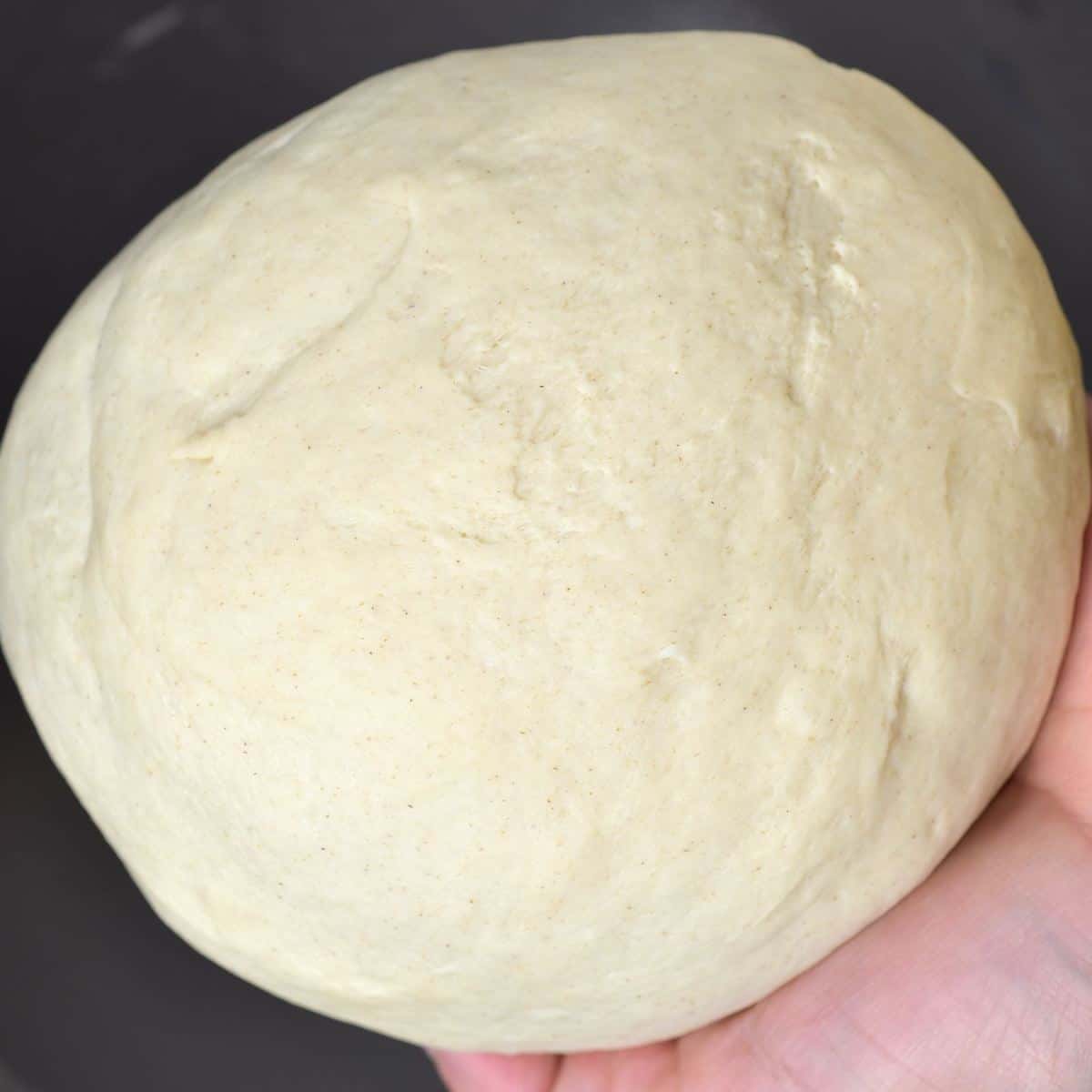
Imagine the warm, inviting aroma of freshly baked bread wafting through your home. Now, imagine achieving that comforting experience with a dough so simple, so versatile, and so incredibly delicious, it will transform your kitchen into a haven of Middle Eastern culinary delight. We’re talking about an Soft & Puffy Middle Eastern Dough: 4-Ingredient Homemade Guide that's perfect for everything from your weekly pizza night to traditional savory pies like manakish and fatayer. This isn't just any dough; it’s an easy Middle Eastern bread dough designed for maximum flavor and minimal fuss, requiring just four core ingredients.
For too long, the idea of making homemade bread has intimidated many. Yeast, kneading, proofing – these steps often conjure images of complex recipes and hours in the kitchen. But what if we told you that the secret to soft, puffy, and endlessly adaptable Arabic bread is simpler than you ever imagined? This particular recipe demystifies the process, making it accessible for home cooks of all skill levels, allowing you to unlock a world of delicious bakes with a single, reliable base.
The Secret to Effortless Authenticity: Your 4-Ingredient Easy Middle Eastern Bread Dough
The beauty of this dough lies in its incredible simplicity and profound versatility. Rooted deeply in Middle Eastern culinary traditions, this dough serves as the foundation for countless beloved dishes. From savory breakfast flatbreads to hearty lunch options, this easy Middle Eastern bread dough is your ticket to recreating authentic flavors right in your own kitchen. Forget endless lists of ingredients and complicated steps; this recipe cuts straight to the chase, delivering a tender, pliable dough every single time.
Originally sought out by many as a simple way to make homemade manakish – the iconic Middle Eastern flatbread often topped with za'atar, cheese, or meat – this dough quickly reveals itself to be a true kitchen workhorse. Its soft texture and subtle flavor make it an ideal canvas for a vast array of toppings and fillings, ensuring it will become one of your most treasured go-to recipes.
Unpacking the Essentials: Why These 4 Ingredients Work Wonders
The magic of this dough truly comes down to its carefully selected, yet surprisingly basic, components. Each of the four core ingredients plays a vital role in creating the perfect texture, flavor, and rise. Let's explore them:
- Flour: The Foundation. For this Soft & Puffy Middle Eastern Dough: 4-Ingredient Homemade Guide, plain all-purpose flour works beautifully, yielding a tender and light result. If you're looking for a chewier, more substantial bread with increased puffiness, bread flour is an excellent alternative due to its higher protein content, which develops stronger gluten. For those seeking a healthier twist, you can experiment with whole wheat flour. However, be mindful that whole wheat tends to produce a denser crumb. A great compromise is a 50/50 blend of whole wheat and all-purpose flour, offering nutritional benefits without sacrificing too much of that desired softness.
- Yeast: The Leavening Agent. Yeast is what gives your bread its lift, creating those lovely air pockets that make it so soft and inviting. Active dry yeast is commonly used here and requires activation. If you opt for instant yeast, you can often mix it directly with the flour, though a quick bloom in warm water and sugar can still assure its vitality. The key is fresh yeast – always check the expiration date!
- Sugar: Yeast's Best Friend. A small amount of sugar doesn't just subtly enhance the flavor of your dough; it acts as crucial fuel for the yeast. This helps kickstart the activation process, ensuring your yeast is active and ready to make your dough rise beautifully. It's a fundamental step for a truly puffy outcome.
- Yogurt: The Secret to Tenderness. This is where this Soft & Puffy Middle Eastern Dough: 4-Ingredient Homemade Guide truly stands apart. Plain yogurt adds incredible moisture, tenderness, and a slight tang that deepens the flavor profile without being overtly sour. The acidity in the yogurt also helps break down gluten, resulting in a wonderfully soft and pliable dough. For those with dietary restrictions, a plain, unsweetened plant-based yogurt works well, or you can substitute with a neutral oil like olive oil for a rich texture, though the unique tang of yogurt would be absent.
- Warm Water: The Catalyst. While not counted in the core "four" ingredients, warm water (lukewarm, around 105-115°F or 40-46°C) is essential for activating the yeast. It creates the ideal environment for the yeast to wake up and begin its work, leading to a vibrant, bubbly mixture before it even hits the flour.
Mastering the Method: Crafting Your Versatile Arabic Dough
Making this dough is less about intricate techniques and more about understanding a few fundamental principles. Once you get the hang of it, you’ll find yourself whipping up batches in no time, eager to explore its endless possibilities. This is truly an easy Middle Eastern bread dough that delivers impressive results.
Step-by-Step Guide to a Perfect Dough
- Activate the Yeast: In a small bowl, combine your warm water, sugar, and yeast. Give it a gentle stir and then let it sit undisturbed for 5-10 minutes. During this time, the mixture should become frothy and bubbly, indicating that your yeast is alive and active. If it doesn't foam, your yeast might be old, or the water temperature was off, and it's best to start again.
- Combine Dry Ingredients: While your yeast is activating, sift your flour into a large mixing bowl. Sifting isn't strictly necessary but helps to aerate the flour and prevent lumps. Add a pinch of salt to the flour – salt is crucial for flavor and also helps to control yeast activity, preventing over-proofing.
- Mix and Knead: Once your yeast mixture is bubbly, add it, along with the yogurt, to the bowl of flour and salt. Mix with a spoon or your hands until a rough, shaggy dough forms. Turn the dough out onto a lightly floured surface and begin kneading. Knead for approximately 10 minutes by hand, or 7-8 minutes using a stand mixer with a dough hook. The goal is a smooth, elastic dough that springs back when gently poked with a finger. If it feels too sticky, add flour one tablespoon at a time until it's manageable but still soft. If it's too dry and crumbly, add water one tablespoon at a time.
- Proofing for Perfection: Shape the kneaded dough into a ball and place it in a lightly oiled bowl, turning it once to coat. Cover the bowl tightly with plastic wrap or a clean kitchen towel. Place it in a warm, draft-free spot (like an oven with just the light on) and let it rise until it has doubled in size. This usually takes 1 to 1.5 hours, depending on the warmth of your kitchen. Proper proofing is key to achieving that signature soft & puffy Middle Eastern dough texture.
Pro Tips for a Flawless Easy Middle Eastern Bread Dough
- Don't Rush the Kneading: Kneading develops the gluten, which is essential for the dough's structure and elasticity. Give it the full 10 minutes to ensure a perfectly smooth and pliable dough.
- Warm Environment is Key: Yeast loves warmth. A slightly warm kitchen or oven (turned off, with just the light on) will significantly aid in the proofing process, helping your dough rise beautifully.
- Feel the Dough: Don't be afraid to get your hands dirty! The feel of the dough is your best indicator. It should be soft, elastic, and slightly tacky, but not sticky. Adjust flour or water as needed.
- Salt Matters: While not part of the "four," salt is non-negotiable for flavor. Don't skip it!
- Freshness Counts: Always use fresh yeast and high-quality flour for the best results.
Beyond the Bowl: Endless Possibilities with Your Easy Middle Eastern Bread Dough
Once you’ve mastered this simple dough, a world of culinary creations awaits. This truly is the most versatile easy Middle Eastern bread dough you'll ever encounter, opening doors to both traditional Middle Eastern delights and innovative new dishes.
- Manakish: The Iconic Flatbread. This is perhaps the most famous application. Spread your rolled-out dough with a generous mixture of za'atar and olive oil, or top with Akkawi cheese for a salty, bubbly treat. You can also create savory meat manakish (lahm bi ajin) with a spiced ground meat topping.
- Homemade Pizza: A Mediterranean Twist. Elevate your pizza night with a crust that’s softer and more flavorful than typical store-bought versions. The slight tang from the yogurt adds a unique depth that pairs beautifully with classic pizza toppings.
- Fatayer (Spinach Pies): Create delicious, handheld savory pastries filled with a vibrant mixture of spinach, onions, lemon juice, and sumac. The dough's pliability makes it perfect for shaping into classic triangles or boat-like forms.
- Sfiha (Meat Pies): Similar to fatayer, but filled with a rich, spiced ground lamb or beef mixture, often flavored with tomatoes and pomegranate molasses. These are hearty and incredibly satisfying.
- Calzones & Pinwheels: This dough is incredibly adaptable for rolled and filled creations. Think savory calzones bursting with cheese and vegetables, or fun pinwheels filled with herbs, cheese, or even sun-dried tomatoes.
- Simple Accompaniment: Even baked plain or brushed with a little olive oil and sprinkled with herbs, this bread makes a fantastic accompaniment to hummus, labneh, or any Middle Eastern mezze spread.
While this 4-ingredient dough offers unparalleled softness and flavor for many traditional bakes, sometimes speed is the ultimate priority. For those moments when you need bread on the table in record time, you might explore alternatives like a Minute Multi-Use Middle Eastern Dough for Quick Bakes, which often employs baking powder and specific techniques to accelerate the process. However, for a truly authentic, soft, and slightly chewy result that comes with a proper yeast rise, our 4-ingredient hero remains supreme.
FAQs & Troubleshooting Your Easy Middle Eastern Bread Dough
Q: My yeast didn't froth. What went wrong?
A: Most likely, your water was either too hot (killing the yeast) or too cold (preventing activation). Also, check the expiration date on your yeast; old yeast loses its potency. It’s best to discard and start fresh with new yeast and correctly warmed water.
Q: My dough is too sticky/too dry. How can I fix it?
A: If it's too sticky after kneading, add flour one tablespoon at a time until it's manageable but still soft and pliable. If it's too dry and crumbly, add warm water one tablespoon at a time, kneading until it reaches a smooth, elastic consistency. Humidity and flour types can affect hydration, so trust your instincts.
Q: Can I make this dough ahead of time?
A: Absolutely! This easy Middle Eastern bread dough is great for meal prep. After its first rise, you can punch it down, wrap it tightly in plastic wrap, and refrigerate it for up to 2-3 days. For longer storage, you can freeze the dough for up to 1-2 months. Thaw overnight in the refrigerator, then let it come to room temperature and rise again before shaping and baking.
Q: Can I use whole wheat flour for this recipe?
A: Yes, but with some adjustments. Whole wheat flour absorbs more liquid and produces a denser result. For a good balance, try a 50/50 mix of whole wheat and all-purpose flour. You might also need a touch more water during kneading.
Conclusion
This easy Middle Eastern bread dough is more than just a recipe; it’s an invitation to explore the rich, diverse flavors of Middle Eastern cuisine with confidence and ease. With just four simple ingredients and a straightforward process, you can create a soft, puffy, and incredibly versatile base for an array of delicious bakes. From the savory delights of manakish and fatayer to your family's favorite homemade pizza, this dough promises to deliver authentic taste and a comforting aroma that will fill your home. Don't let the idea of homemade bread intimidate you any longer – embrace the simplicity and joy of this remarkable Arabic dough, and start your culinary adventure today!
